Table of contents
This makes insulating technology a crucial element in manufacturing and also in long-term sustainability. Among all available insulation options, polyurethane insulation has become so popular due to its high performance and capability of reducing heat transfer, lowering compressor load, and ultimately increasing the lifespan of refrigerators. Understanding how this advanced material works and how it contributes to global energy standards helps both manufacturers and consumers make better technical decisions. As a result, this article explores the science behind polyurethane insulation, factors affecting refrigerator energy efficiency, environmental benefits, future trends, and the process of sourcing high-quality polyurethane raw materials from Iran for insulation applications.
How polyurethane insulation reduces refrigerator energy consumption?
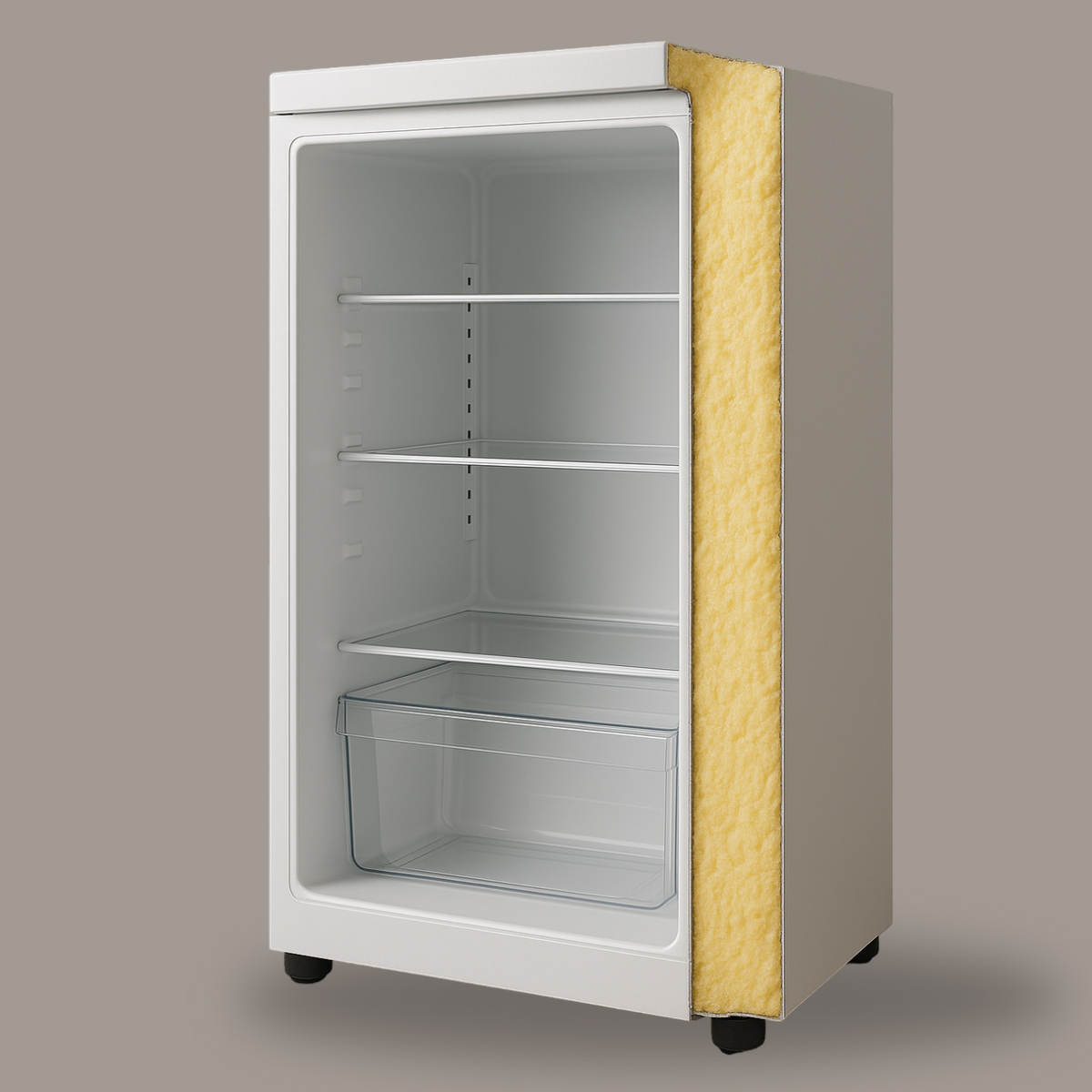
Rigid polyurethane foam plays a fundamental role in minimizing the rate of thermal exchange between the refrigerator’s interior and external environment. Its closed-cell structure is engineered to trap millions of tiny gas-filled cavities that inhibit heat flow. This architecture reduces the workload on the compressor because internal temperatures remain stable for longer periods without frequent cycling. When the compressor runs less frequently, overall electricity consumption decreases, leading to considerable energy savings over the appliance’s operational lifetime. This is one of the primary reasons polyurethane insulation has become the preferred choice for high-efficiency refrigerators worldwide.
Additionally, polyurethane keeps its shape remarkably well, even when temperatures or humidity levels change. While some insulation materials may bend, shrink, or lose their effectiveness over time, polyurethane stays stable and maintains its insulating capability for many years. This property is important because even a small change in insulation thickness or coverage can lead to higher energy use. Manufacturers safely rely on polyurethane because it offers predictable and long-term performance, helping refrigerators meet strict international energy-efficiency classifications.

Key factors affecting electricity efficiency in refrigerators
Energy efficiency in refrigerators depends on several technical and operational parameters. One of the most critical factors is insulation thickness and uniformity. Even small gaps or uneven spots in the insulation can create thermal bridges that let heat to penetrate the refrigerator’s interior. When this happens, the cooling system has to work harder and cycle more often to keep the inside at the right temperature. Polyurethane insulation greatly reduces this problem because it expands evenly during application and fills even the tiniest spaces. The result is a smooth, uniform insulation layer that helps the refrigerator stay efficient and stable.
Another important part of refrigerator efficiency comes from the compressor, the type of refrigerant used, the quality of the door gaskets, and even how people use the appliance. Modern refrigerators with inverter compressors consume energy more wisely by adjusting their speed based on how much cooling is needed. The refrigerant also plays a role, since different formulations transfer heat differently and impact overall performance. Even simple habits—like opening the door too often or putting warm food inside—can increase electricity consumption. While polyurethane insulation can’t control user behavior, it does significantly lower the basic amount of energy required to keep the refrigerator cool. This makes the refrigerator less sensitive to outside factors.
Comparing different insulation materials: Why polyurethane stands out?
Refrigerator insulation has come a long way in recent decades. Older materials like expanded polystyrene (EPS) can provide basic insulation, but they simply can’t match the thermal performance or strength needed for today’s high-efficiency refrigerators. Polyurethane foam, on the other hand, offers much better thermal resistance (R-value) than EPS and most other options. Because it insulates so effectively, manufacturers can use thinner layers of polyurethane while still achieving equal—or even superior—energy performance. This also creates more usable space inside the refrigerator without increasing energy consumption.
Polyurethane also greatly adheres to the inner and outer refrigerator walls, giving the appliance better structural support. This added strength helps reduce vibrations, enhances durability, and keeps the refrigerator performing well over time. Alternative materials often fail to keep consistent density or adhesion, which can gradually reduce efficiency. When you compare thermal conductivity, ease of application, mechanical strength, durability, and long-term stability, polyurethane clearly performs better than the most dependable insulation material for modern refrigeration technology.
Tips to maximize energy savings in refrigerators
Even with high-quality insulation, a refrigerator can only reach its full energy-saving potential when it’s used and maintained correctly. One of the simplest and most effective steps is setting the right temperature. Many people keep their fridge colder than necessary, which leads to unnecessary electricity use. In most homes, setting the refrigerator to about 3–5°C and the freezer to around –18°C is perfectly safe for food storage and much more energy-efficient.
Good maintenance also plays a major role in keeping energy consumption low. When dust builds up on the condenser coils, the system can’t release heat properly and has to work harder. Making sure the fridge has enough ventilation space, not overloading the shelves, and replacing worn-out door gaskets all help prevent energy waste. When high-performance polyurethane insulation works together with smart user habits, the refrigerator becomes far more efficient, lowering electricity bills and extending the appliance’s lifespan.
Environmental benefits of energy-efficient refrigerators
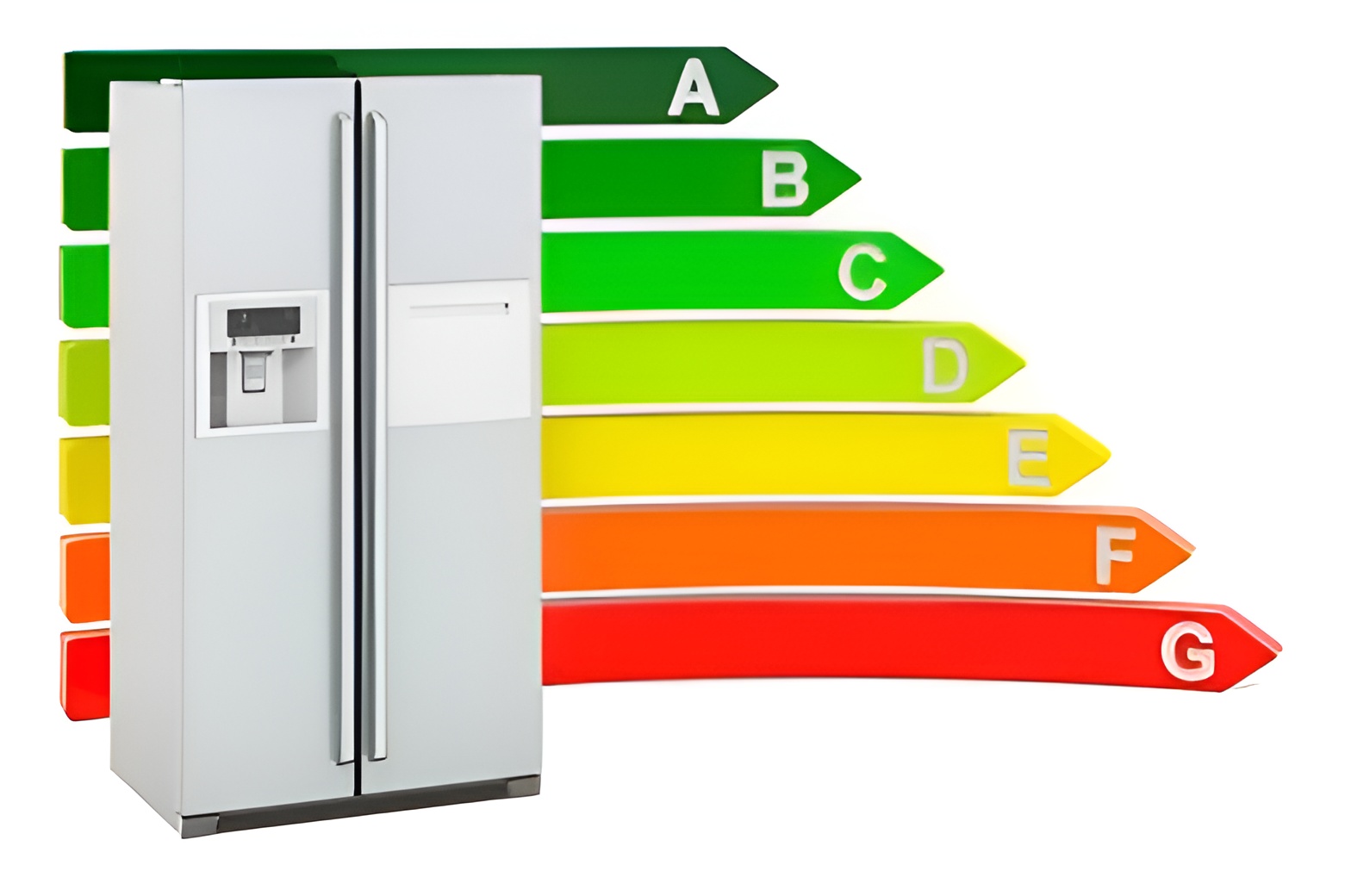
Reducing electricity use in home appliances has a direct effect on lowering carbon emissions and overall environmental impact. When refrigerators are insulated with polyurethane, they require less energy to maintain stable temperatures. This means power plants—especially those that run on fossil fuels—will need less electricity.
As a result, greenhouse-gas emissions decrease indirectly. In this way, polyurethane insulation becomes a cost-effective choice that is environmentally responsible. At the same time, modern polyurethane formulations include green blowing agents with much lower global-warming potential (GWP). These advanced systems greatly reduce the environmental footprint related to foam production. Manufacturers that choose these eco-friendly polyurethane solutions follow global sustainability standards and contribute to broader climate-action efforts. And as more consumers prioritize green living, refrigerators designed with high-efficiency insulation have an increasingly important role in supporting a cleaner, more sustainable future.
Future trends: Smart refrigerators and advanced insulation technologies
The refrigeration industry is going through rapid technological transformation, driven by IoT integration, energy regulations, and advanced materials research. Smart refrigerators with sensors, adaptive cooling algorithms, and remote-monitoring features are becoming increasingly common. These systems optimize temperature distribution inside the appliance and automatically adjust compressor cycles based on actual usage patterns. Despite these technological advancements, the core of energy efficiency still depends on high-quality insulation. Polyurethane remains essential because of its superior thermal performance and reliability.
Researchers are also developing next-generation polyurethane materials, enhanced with nano-additives or hybrid technologies, to achieve even lower thermal conductivity. These innovations allow for thinner, more effective insulation layers, giving manufacturers the flexibility to design refrigerators that are either more compact or more spacious without compromising energy efficiency. As global energy regulations become stricter, the combination of smart cooling systems and advanced polyurethane insulation will play a key role in shaping the future of refrigerator design and performance.
Purchasing polyurethane materials from Iran for refrigerator insulation
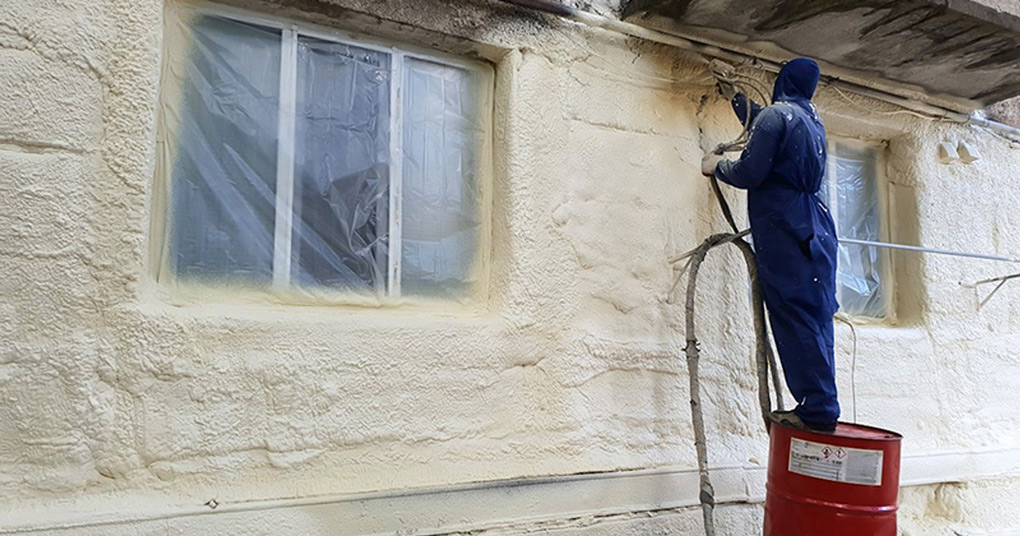
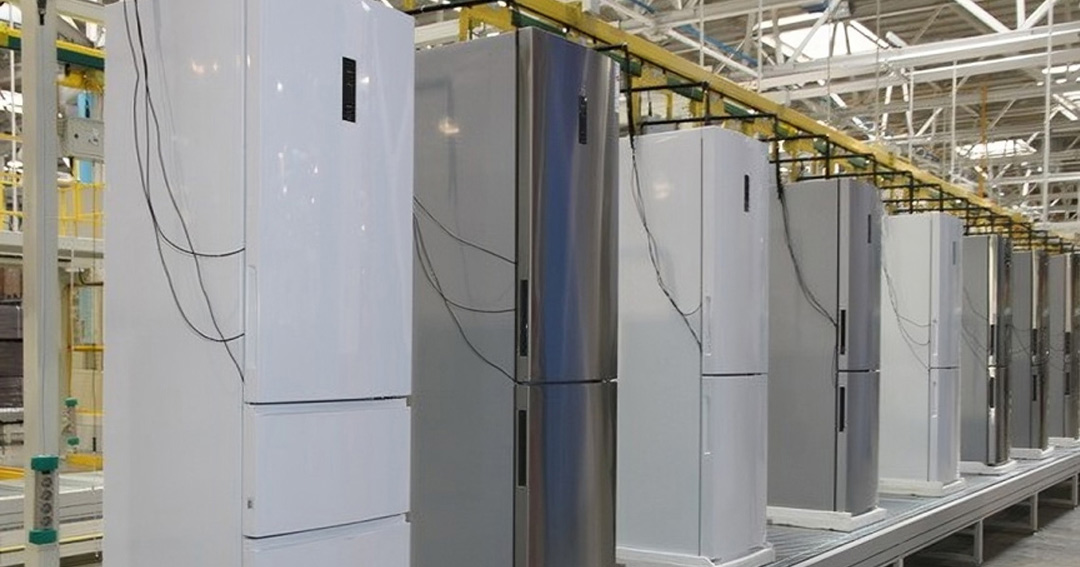
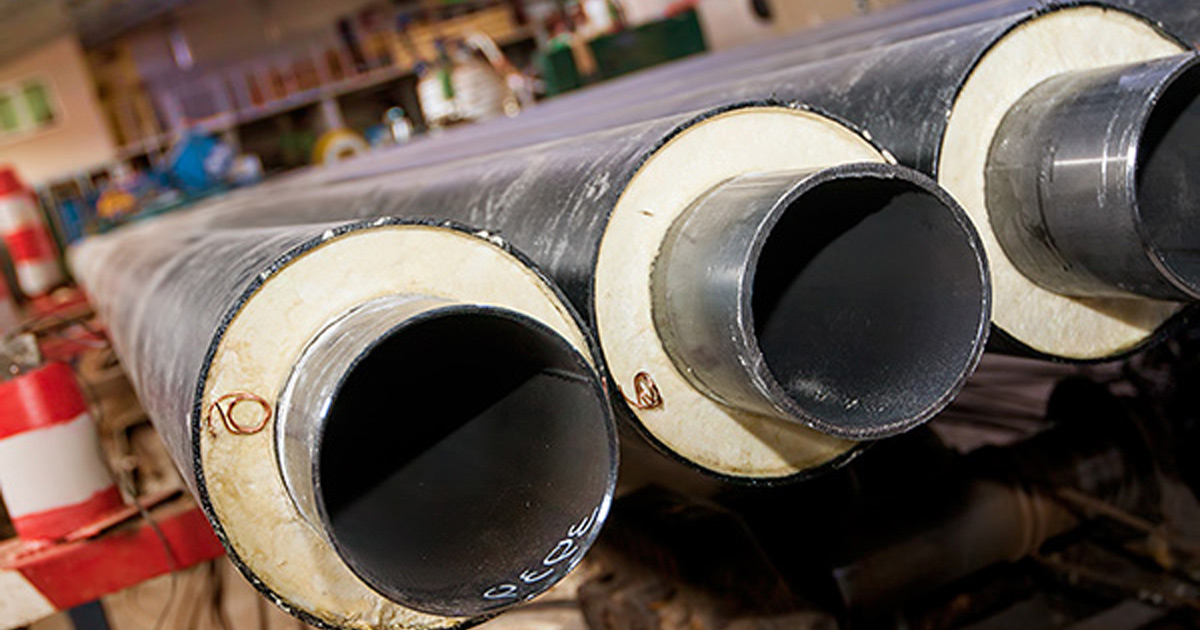
Iran has become a strong and reliable supplier of high-quality polyurethane raw materials for insulation applications, offering both technical expertise and cost-effective solutions. The growing expertise of Iranian manufacturers has made the country a dependable source for refrigerator producers who need consistent, high-quality formulations that meet international standards. One key advantage of sourcing from Iran is the availability of specialized polyurethane systems engineered for optimal foam density, controlled expansion, and strong adhesion—features that are essential for efficient and long-lasting insulation.
Imen Polymer Chemie is one of Iran’s well-known producers of polyurethane raw materials, recognized for creating advanced formulations specifically designed for refrigeration and insulation needs. With solid technical expertise and comprehensive customer support, we offer polyurethane systems that help manufacturers boost thermal performance and ensure stable production quality. Our focus on research, quality control, and continuous innovation has made us as a trusted partner for companies looking for high-performance raw materials for refrigerator insulation.
Conclusion
Optimizing electricity consumption in refrigerators starts with using advanced insulation materials, and polyurethane remains the top choice due to its excellent thermal resistance, mechanical strength, and long-lasting performance. By easing the load on the compressor and keeping internal temperatures stable, polyurethane helps reduce overall energy use while supporting broader environmental goals. As the market moves toward smarter, greener, and more efficient appliances, the role of innovative polyurethane formulations becomes even more important in shaping the next generation of refrigeration technology.
For manufacturers looking for dependable, high-quality polyurethane raw materials, Iran offers strong sourcing opportunities. Companies like Imen Polymer Chemie provide specialized formulations engineered for maximum insulation performance, helping producers achieve both energy efficiency and consistent product quality. By combining advanced technology, material innovation, and strategic supply partnerships, the industry can move toward a future of more efficient, sustainable, and cost-effective refrigerator manufacturing worldwide.


