
Table of contents
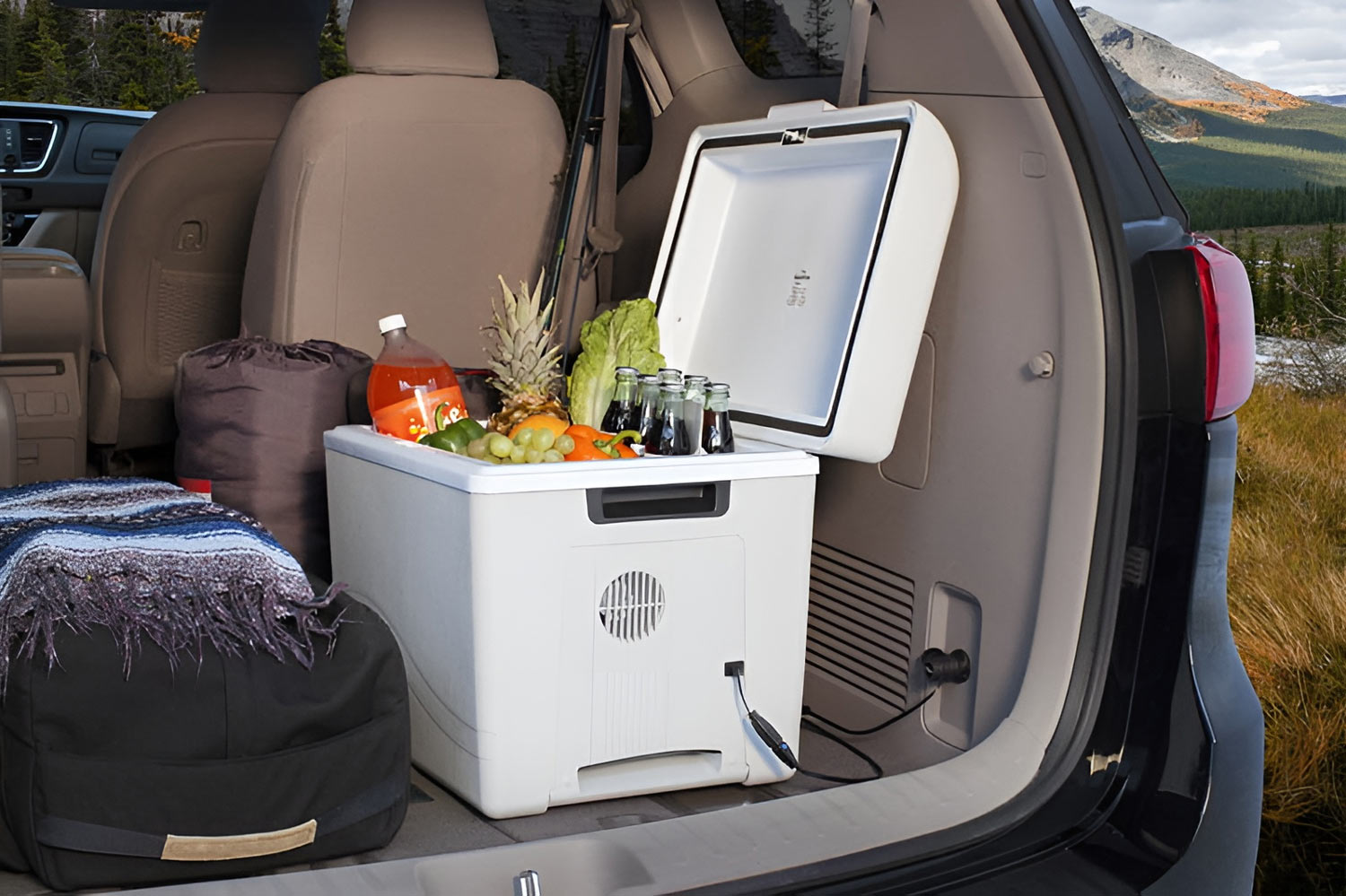
As a result, in this article, we take a scientific look at car refrigerator insulation. We examine the role of insulation in such refrigeration systems, analyze the key features that define high-quality insulation, compare common insulation materials, and clearly explain why polyurethane has become the industry’s preferred solution.
What is car refrigerator insulation?
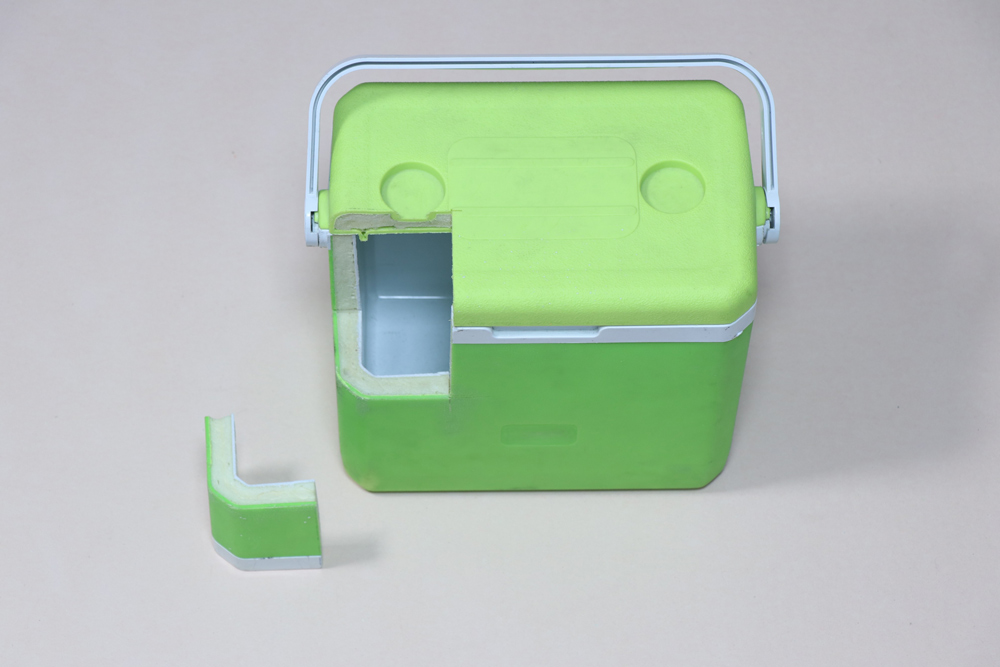
Car refrigerator insulation is the material placed inside the walls and door of a portable fridge to retain cold air and block heat from the outside. Unlike kitchen refrigerators, car fridges operate under harsher conditions—they may sit in a hot car under sunlight, travel on rough roads, or tolerate high outdoor temperatures. Insulation must therefore withstand heat, vibration, and constant movement while maintaining efficiency.
Insulation performance is measured primarily by thermal conductivity—lower values indicate better heat-blocking capability. However, effective insulation also needs to resist moisture, retain its shape over time, and fit compact designs where space and weight are limited. When these factors are combined, the result is a durable, efficient, and reliable car refrigerator.

Features of the best car refrigerator insulation
The best insulation for a car refrigerator keeps the cold inside, lasts for years, and is easy to use in production. First of all, it must block heat very effectively. This depends on something called thermal conductivity, which simply means how easily heat can pass through a material. When thermal conductivity is low, heat moves more slowly. That means the refrigerator stays cold with less effort. It also allows manufacturers to use thinner insulation layers, which is very important in compact car refrigerator designs where every centimeter of space matters.
Another important point is that the insulation must keep its shape over time. A car refrigerator is exposed to constant temperature changes. It cools down, warms up, and may sit in hot sunlight for hours. If the insulation expands, shrinks, or weakens over time, small gaps can form. These gaps allow heat to enter more easily and reduce cooling efficiency. Good insulation keeps its structure stable and maintains the same internal quality for many years.
Resistance to moisture is also essential. If insulation absorbs water, its insulation will drop significantly. In a car refrigerator, condensation can naturally form because of the difference between inside and outside temperatures. That is why a good insulation must have closed cell structure to prevent any possibility of water/ moisture absorption. In addition, it should have enough strength to handle vibration and movement, since car refrigerators are constantly exposed to motion during travel. When insulation offers thermal efficiency, stability, moisture resistance, and mechanical strength together, it truly supports long-term and reliable performance.
Types of car refrigerator insulation
Car refrigerators can use several types of insulation materials, each with different performance levels, costs, and applications. The main types include expanded polystyrene (EPS), extruded polystyrene (XPS), and polyurethane. Understanding their differences helps manufacturers and users choose the best solution. Therefore, they are discussed in detail in the following.
Expanded polystyrene (EPS)
EPS is lightweight and inexpensive, making it a common choice for basic car refrigerators. It provides acceptable insulation under mild conditions. However, EPS has relatively high thermal conductivity, which means thicker layers are needed to achieve the same insulation efficiency as more advanced materials. This extra thickness reduces storage space and limits design flexibility.
Extruded polystyrene (XPS)
XPS has better thermal performance and moisture resistance than EPS. Its uniform, closed-cell structure improves insulation efficiency and durability. However, XPS is rigid and less adaptable to curved or compact refrigerator designs. Installing it in complex shapes often requires extra processing, which can increase production costs.
Polyurethane (PU)
Polyurethane foam is the most advanced and widely used insulation for car refrigerators. It offers very low thermal conductivity, meaning excellent heat resistance even with thin layers. Polyurethane can be injected or poured into molds, expanding to fill every corner and creating a seamless insulation layer. That’s why it has become so popular in the market.
Consequently, choosing the right material is important because it directly affects cooling performance, internal space, weight, and long-term durability.
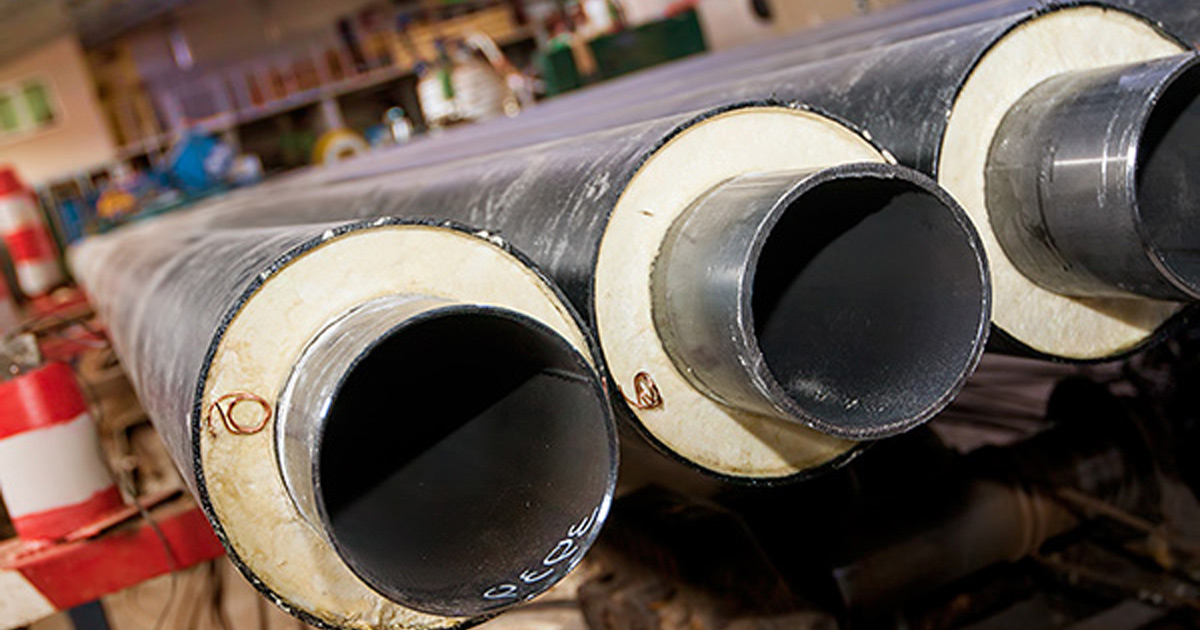
Why is polyurethane the best car refrigerator insulation?
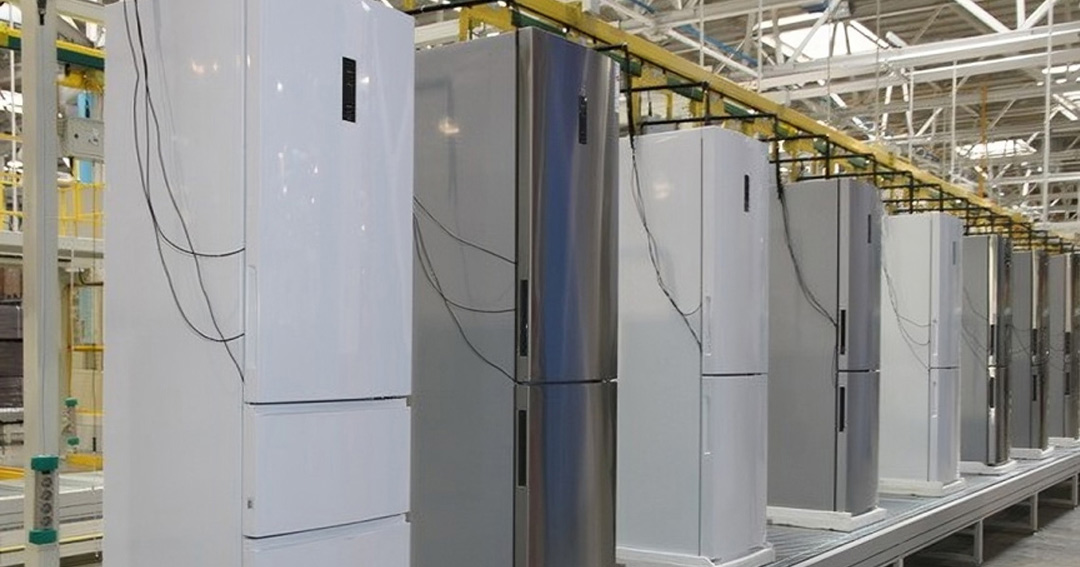
Car refrigerators are widely used in the pharmaceutical, cosmetic, and food industries, where temperature stability is critical. In these applications, even small temperature changes can damage medicines, affect cosmetic formulations, or reduce food safety. For this reason, insulation plays a direct role in protecting valuable and sensitive products during transport.
Polyurethane is considered the best insulation option because it can be formulated to match different performance requirements. Its properties can be adjusted depending on the application. This flexibility allows manufacturers to achieve the right balance between thermal efficiency, strength, and processing performance within the same material family.
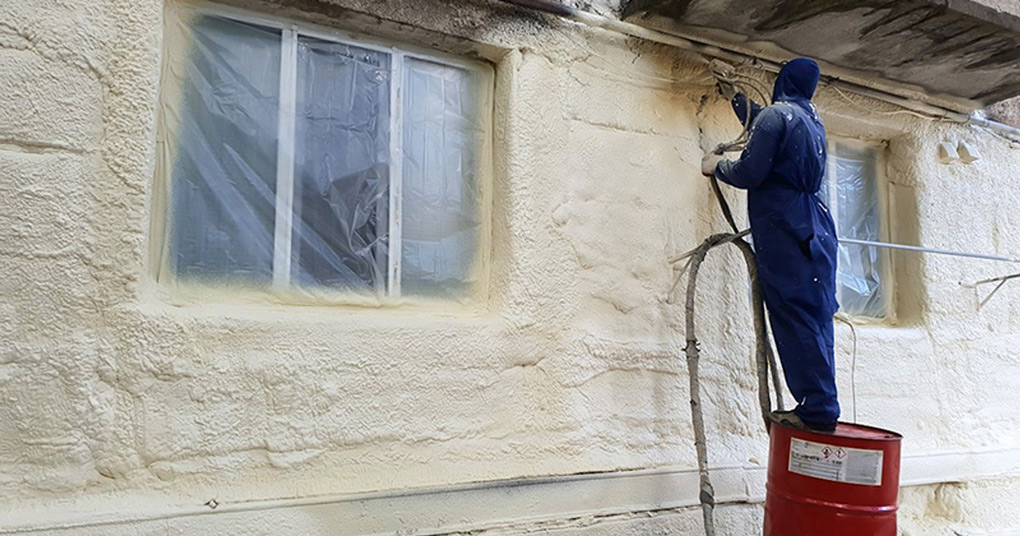
Another key advantage is its seamless structure. Polyurethane is injected in liquid form and expands to fill the entire cavity between the inner and outer walls, creating an insulation layer without gaps. It also bonds strongly to metal or plastic surfaces, improving structural integrity and preventing weak points where heat could enter.
In addition, rigid polyurethane foam maintains its thermal performance over time. Its closed-cell structure resists moisture absorption, and its properties remain stable despite vibration, temperature changes, and long-term use. This combination of adaptability, structural integration, and durable insulation performance makes polyurethane the most reliable solution for modern car refrigerator systems.
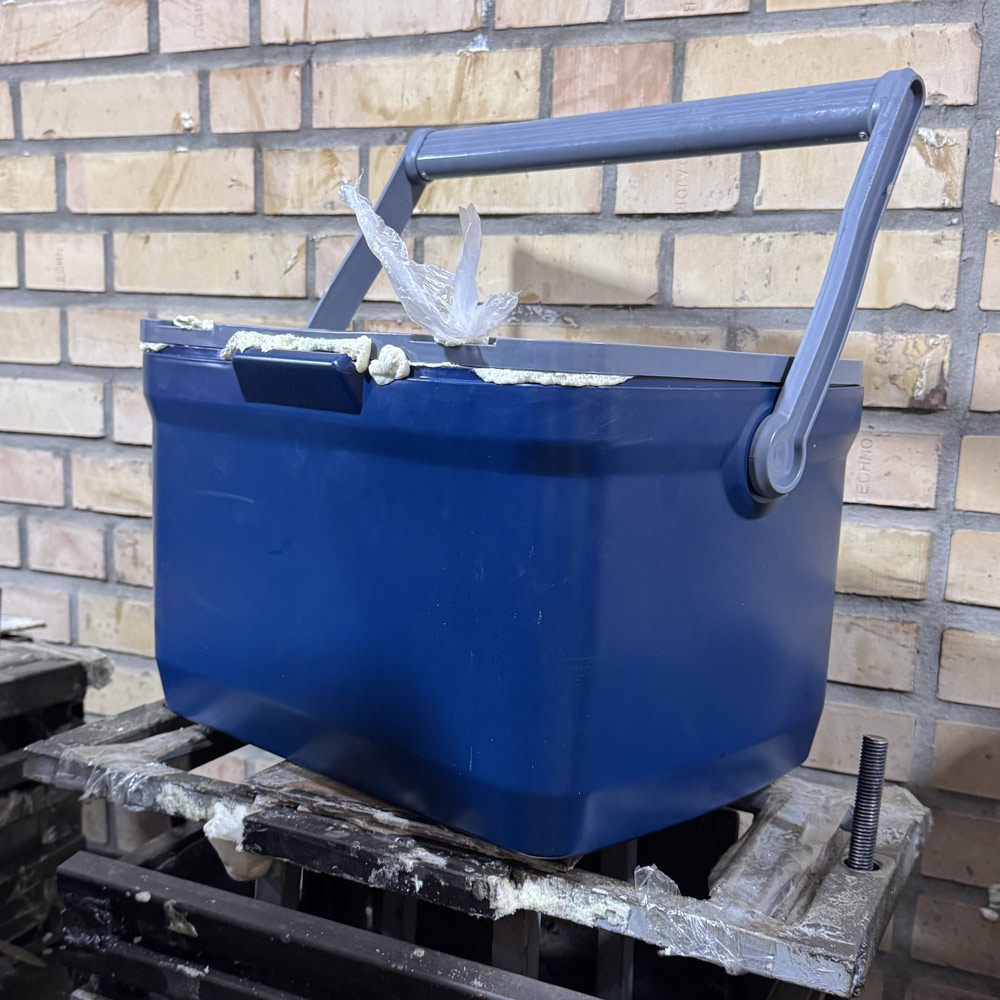
Buy polyurethane for car refrigerator insulation from Imen Polymer Chemie
Achieving all the benefits of polyurethane insulation is not only about choosing the material itself. The quality of the raw materials and the knowledge behind the formulation also make a big difference. Imen Polymer Chemie focuses on producing high-quality polyurethane raw materials for insulation applications. Our company does not manufacture finished foam products. Instead, we supply advanced polyols, compatible systems, and customized formulations designed to meet specific industrial requirements.
For car refrigerator manufacturers, working with Imen Polymer Chemie means using raw materials that are carefully developed for great insulation performance. These materials are designed to provide low heat transfer, controlled density, and excellent processing during production. They help create a uniform foam structure, even expansion, and strong bonding to the refrigerator walls. All of these factors directly affect the final insulation quality.
In addition to supplying materials, Imen Polymer Chemie also offers technical support. Production conditions such as room temperature, mold design, and processing speed can all influence foam results. With proper guidance and formulation support, manufacturers can improve consistency and avoid common production problems. This practical support helps ensure that the final car refrigerator is durable, energy-efficient, and perform well in real-world conditions.
Conclusion
Choosing the best car refrigerator insulation is a decision that directly affects performance, energy efficiency, and product durability. While several insulation materials exist, polyurethane clearly stands out due to its superior thermal properties, structural stability, moisture resistance, and design flexibility. This combination makes it especially suitable for the real working conditions of mobile refrigeration systems.
By using high-quality polyurethane raw materials from a specialized supplier such as Imen Polymer Chemie, manufacturers can make sure of consistent insulation performance and deliver car refrigerators that meet modern expectations for efficiency and reliability. In a market where energy savings, compact design, and durability matter more than ever, polyurethane insulation continues to be the most effective and long-lasting solution for car refrigerator applications.


