
Table of contents
It has significantly improved during the time, providing qualities ranging from the firmness and durability needed for pipe insulation to the softness and comfort of sofa cushions. It is the perfect option for many applications due to its exceptional adaptability. The key raw materials required to make polyurethane (PU) foam will be discussed in this article.
Types of polyurethane raw materials
The main basic components that used to make polyurethane foam are isocyanates, polyols, blowing agents, and additives. Isocyanates and polyols react together to form a polymer network. The amount of isocyanate dictates the hardness of the final polymer, while its softness and flexibility depend on the type of polyol used. Keep reading to find out more about each of these materials.
Isocyanates
Isocyanates are one of the fundamental components in polyurethane foam production. These chemicals interact with hydroxyl groups in polyols to form a cross-linked polymer structure. It has to be mentioned that there are various isocyanates but, among the most common ones are Toluene Diisocyanate (TDI) and Methylene Diphenyl Diisocyanate (MDI), which are generally more affordable and reactive than other types.
- Toluene diisocyanate (TDI)
TDI is widely used in the production of flexible (soft) polyurethane foams. It is typically a mixture of 2,4 and 2,6 isomers with the common weight ratio of 80/20 or 65/35. TDI has broad applications in furniture manufacturing, automotive parts, and packaging products. In other words, it is used for producing “hot cure” polyurethane foams.
- Methylene diphenyl diisocyanate (MDI)
Another important isocyanate that is preferred for its great strength and heat resistance is methylene diphenyl diisocyanate (MDI). It is commonly used for producing rigid and semi-rigid PU foams, as well as polyisocyanurate foams. In construction and insulation industries, MDI is often used in both its liquid polymeric form and solid monomeric form, which is used in elastomers and coatings.

Polyols
Polyols are organic compounds which containing multiple hydroxyl (–OH) groups. These materials as a result, can react with isocyanates and blowing agents to form polyurethane foam. They are mainly categorized into two groups, polyether polyols and polyester polyols (remember that is not all and we have other kinds of polyols). Remarkably, higher molecular weight polyols cause more flexible polyurethane products, while those with a lower molecular weight can produce stiffer materials (like rigid foams).
- Polyether polyols
Due to great flexibility and resistance to moisture, polyether polyols are widely used for manufacturing flexible foams. Moreover, because of their superior physical and chemical characteristics, they are appropriate for furniture and automotive applications.
- Polyester polyols
Polyester polyols are part of a larger class of polymers that have repeating ester groups made from multifunctional alcohols and organic acids. Because of their chemical stability and mechanical strength, these materials are valued for a wide range of industrial applications.
Catalysts in polyurethane foam formulation
Catalysts are substances that can accelerate chemical reactions without being consumed. They do it by reducing activation energy and helping intermediate reactions to occur easier. In polyurethane foam production, catalysts are essential and generally come two main categories: amine catalysts and metal catalysts.
- Amine catalysts
These nitrogen-containing organic compounds speed up the reaction between isocyanates and polyols, especially in the formation of flexible foams. Amine catalysts also accelerate the reaction between isocyanates and water, this reaction generates carbon dioxide that acts as a blowing agent, that is why they are often referred to as blowing process catalysts.
- Metal catalysts
Metal-based catalysts, such as the ones containing tin or zinc, are used primarily in the polymerization of rigid and semi-rigid foams. They enhance the mechanical and physical properties of the final foam. These catalysts help the gelation or curing process to occur faster, and speed up the reaction between isocyanate groups and hydroxyl groups.
After sales service
For price inquiries and purchasing liquid polyurethane for polyurethane foam production, please contact Imen Polymer Chemie Company.

Polyurethane additives
Various additives are added into the polyurethane formulation to enhance foam properties. These additives include blowing agents, stabilizers, colorants, and antioxidants, all of which improve performance, long-term durability, and the physical characteristics of the foam.
- Blowing agents: Help the creation of cellular, porous structures in the foam easier, and increase volume and reducing density.
- Stabilizers: Keep foam structure during formation and curing.
- Colorants: Provide aesthetic color customization.
- Antioxidants: Improve the foam’s resistance to degradation over time.
Types of polyurethane foams and their applications
As you know, polyurethane foams are versatile materials that can be used across various industries due to their unique properties. These foams can be tailored to different applications and performance needs and are available in many forms. The main types of polyurethane foams include the following:
Rigid foam
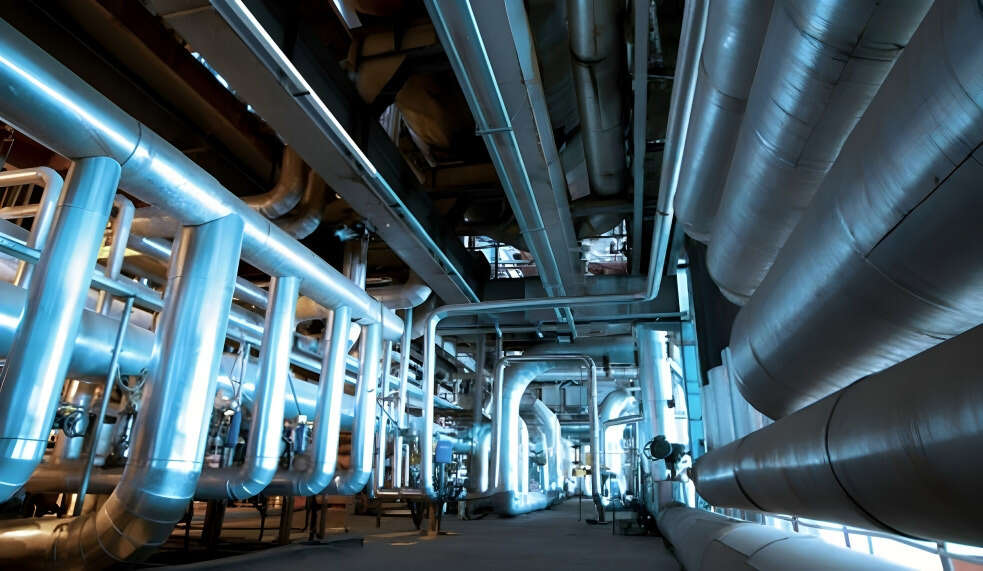
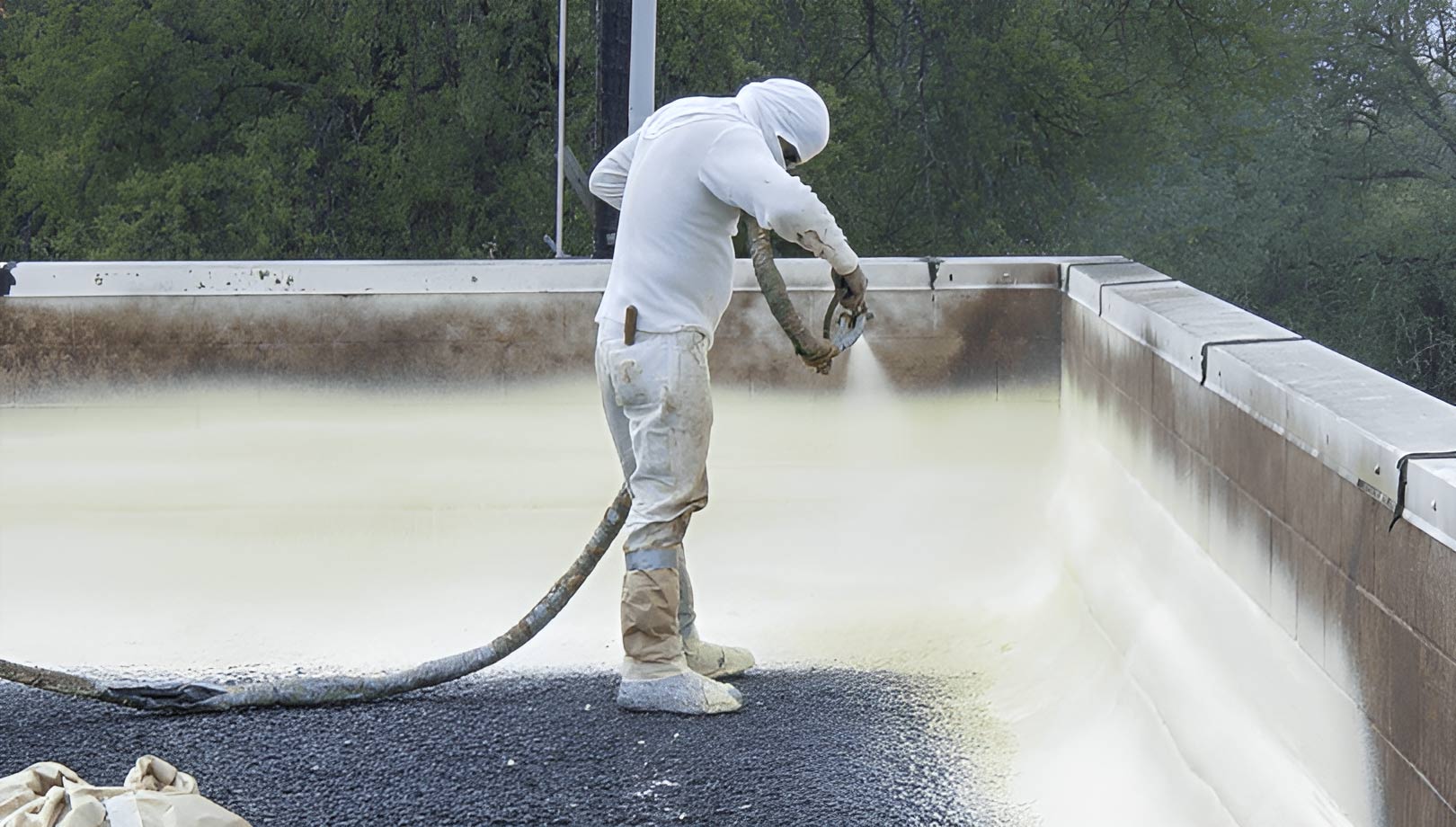
Rigid polyurethane foam is a polymeric insulator that is known for its high strength and mechanical resistance. It is widely used in industries such as automotive, construction, bedding, oil and gas, petrochemicals, and even toys. this thermoset material has a closed-cell structure and low density, which makes it become popular for thermal insulation in refrigerators, freezers, and pipe insulation.
Flexible foam
Flexible polyurethane foam is lightweight and highly elastic, making it ideal for use in furniture (chairs, sofas), mattresses, automotive seats, footwear, and so on. Its open-cell structure allows air to penetrate through the material when compressed, providing breathability and comfort.
Elastomeric foam (Elastofoam)
Elastofoam is a kind of flexible polyurethane foam that has a durable tough skin, which enhance its abrasion resistance. Based on the blowing agent, it can be categorized into water-based and solvent-based. This foam is commonly applied in automotive components, the medical field, toys, furniture manufacturing and so on.
Coating and adhesive (CASE) systems
Polyurethane systems for coatings and adhesives include protective coatings, sealants, elastomers, and bonding agents. Due to their excellent adhesion and durability, they are used to manufacture moisture- and heat-resistant coatings and glues. These systems are ideal for surface protection and environmental sealing in sports equipment, automotive parts, and construction.
Purchasing polyurethane raw materials
When purchasing polyurethane raw materials, it is essential to consider quality and technical specifications. Choosing a reputable supplier and high-grade materials plays a vital role in the final product’s performance. In this regard, Imen Polymer Chemie is recognized as one of Iran’s top suppliers of polyurethane raw materials.


Imen Polymer Chemie, your trusted polyurethane supplier
With a strong track record since 2003, our company Imen Polymer Chemie has become one of the industry leaders in supplying polyurethane raw materials. Our company offers high-quality products and expert consultation to support a wide range of industrial applications.
Products and services
Selecting the right raw materials is key to achieving high-quality polyurethane foams. Partnering with a reliable supplier like Imen Polymer Chemie ensures improved performance and efficiency in your products.
- Wide range of isocyanates and polyols: We provide various grades of TDI, MDI, and polyols, all manufactured and tested to the highest standards.
- Technical consultation: Our experts offer tailored advice to help you choose the best materials for your specific application needs.
- Guaranteed quality: All our products pass recognized quality standards, ensuring reliable and consistent results.
Conclusion
Polyurethane foams are essential materials in various industries due to their adaptability, durability, and performance. Choosing the right type of foam and a trusted supplier is necessary to achieve high-quality results. Imen Polymer Chemie stands out as a reliable source for high quality polyurethane raw materials in Iran. With expert consultation and consistent product quality, we support your success from formulation to final application. Trust Imen Polymer Chemie to power your innovation with polyurethane.