

2026/06/23
What is isophorone diisocyanate?
Polyurethane materials are used in countless industries, from automotive coatings and industrial paints to adhesives, sealants, and high-performance elastomers. The…
ادامه مطلب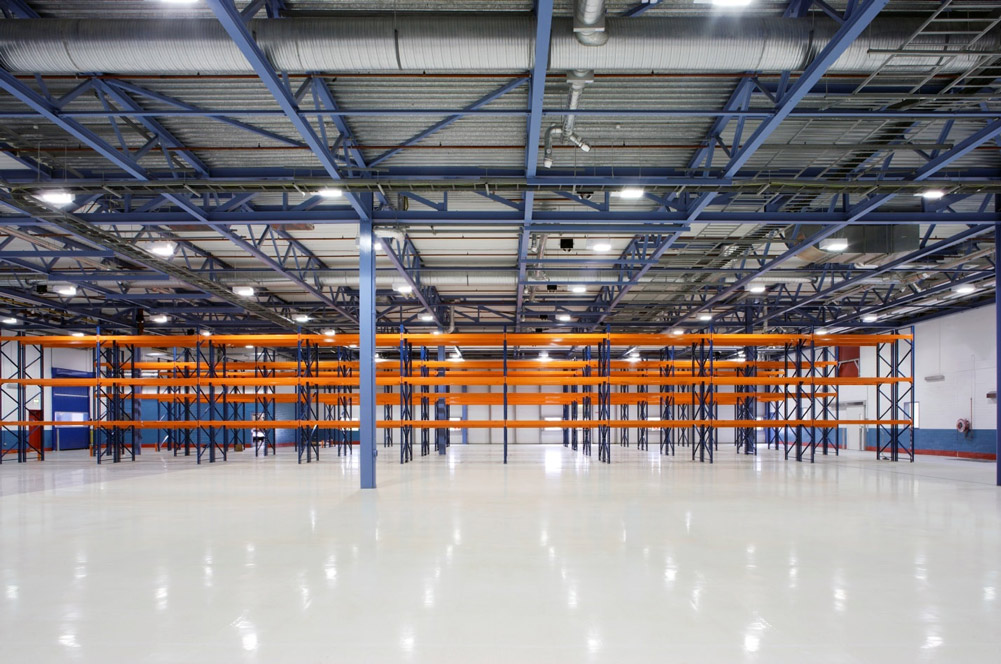
Adhesive and coating systems
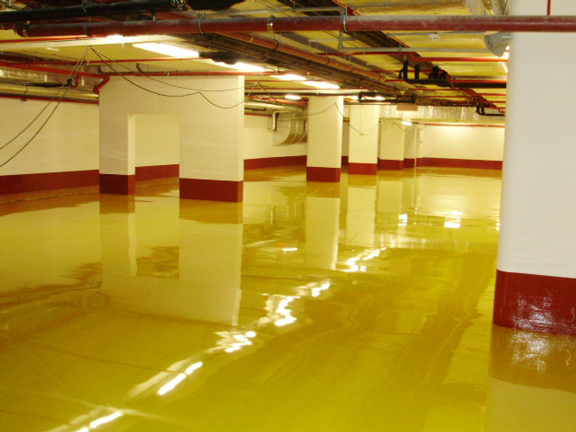
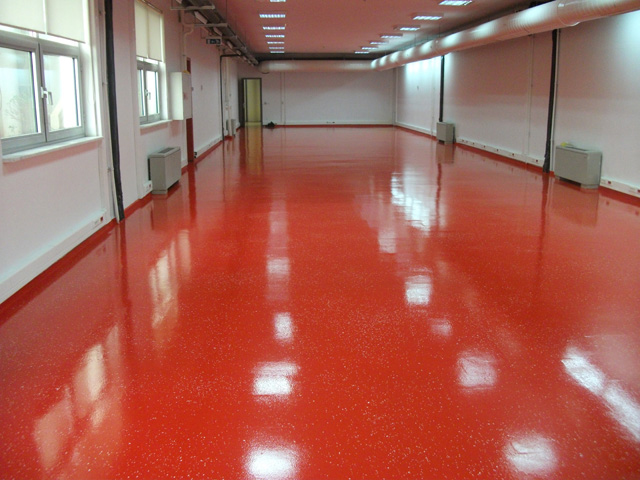
There are numerous options for flooring, including ceramic, cement, stone, wood, epoxy, and more, suitable for various applications. Among these, polyurethane flooring has gained widespread popularity. These floors offer a smooth, flat surface that prevents the growth of fungi or bacteria and is easy to clean. Additionally, they are highly durable and resistant to abrasion, slip, UV light, chemicals, stains, temperature fluctuations, and impacts.


Polyurethane flooring, which is also referred to as PU floor coating, is a high-performance, seamless coating system made from polyurethane resins. These floors are known for their exceptional resistance to chemicals, abrasion, and mechanical stress, making them ideal for demanding environments. Unlike traditional flooring materials that may crack or wear over time, polyurethane foam flooring keeps its integrity in tough conditions. In fact, they are durable and do not damage easily.
PU flooring is applied as a liquid polymeric material that cures and gets harder, making a tough or rigid surface (based on the formulation). It has an elasticity that allows it to withstand minor movements without cracking, making it highly suitable for industrial, commercial, and even residential applications.
In this article we will discuss its advantages and disadvantages, characteristics, applications and limitations. Also, we will guide you through buying and installing the material.

Polyurethane floorings have several benefits that sets them apart from other flooring materials. The advantages of PU flooring are as follows:
Despite all the above-mentioned superiorities, they have some drawbacks; the disadvantages of PU flooring include:
Also, it has to mentioned that the advantages depend highly on proper surface preparation and professional installation (mistakes during application can affect performance).
One of the outstanding characteristics of polyurethane flooring is its flexibility that we mentioned just before. This property enables the floor to absorb shocks and adapt to structural movements, reducing the possibility of cracks formation over time. It is also resistant to temperature fluctuations, which is especially important in environments like cold rooms or outdoor settings where expansion and contraction cycles are common.
Another key feature is its chemical resistance. PU flooring resists a wide range of acids, alkalis, solvents, and cleaning agents. This makes it an excellent choice for industries that deal with corrosive substances/detergents. Additionally, the surface of polyurethane flooring is often designed to be anti-slip and reflective, improving safety and reducing lighting costs. These characteristics cause its long-term durability and reduced maintenance expenses.

Due to various characteristics of polyurethane flooring, it can be used in wide range of applications in different industries, including:
Ideal for heavy-duty use in factories, warehouses, manufacturing plants, and distribution centers. Its resistance to impact, abrasion, and chemicals ensures long-term performance in industrial facilities.
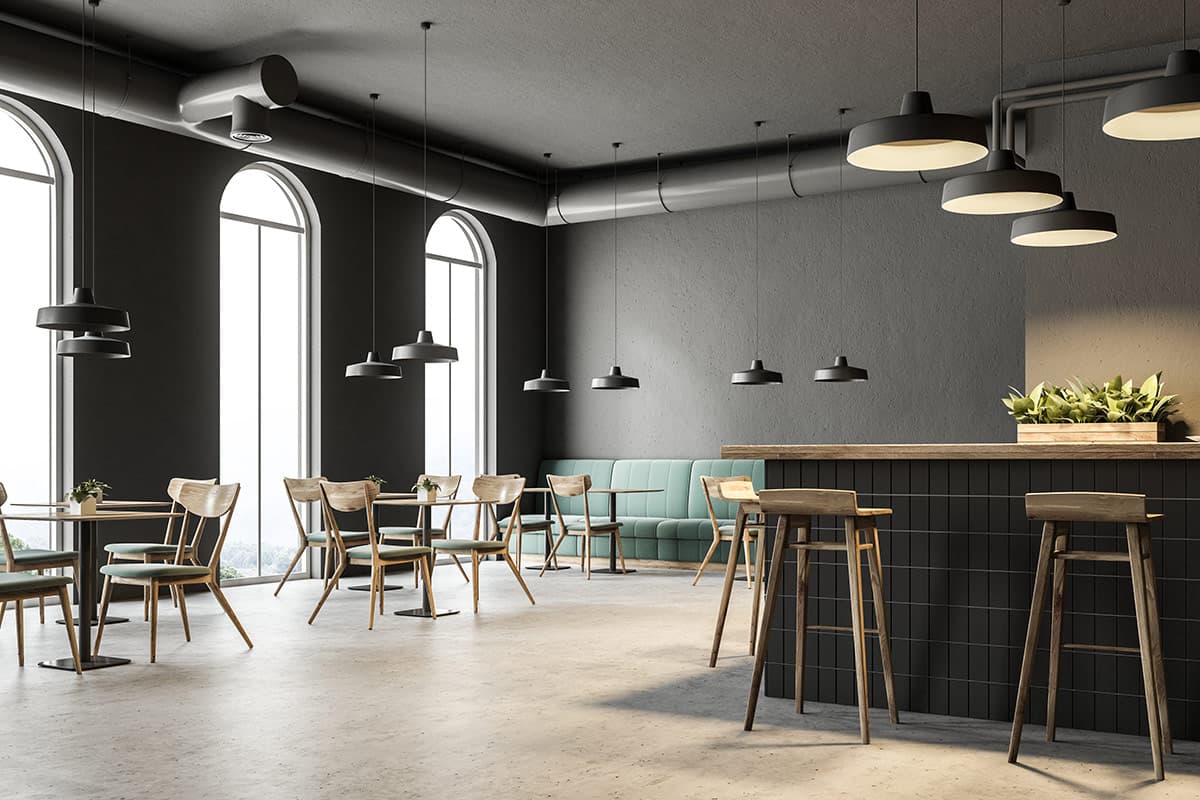
Commonly used in retail stores, restaurants, offices, and showrooms where both durability and appearance of flooring are important. PU flooring can tolerate high traffic areas and come in a variety of finishes to match interior designs.
Suitable for hospitals, clinics, and laboratories due to its seamless, easy-to-clean surface (places that needs to follow strict hygiene standards and regular sanitation processes). In other words, the seamless nature of PU flooring prevents the buildup of bacteria and dirt, ensuring hygiene regulations are obeyed carefully.
Applied in schools, universities, and sports facilities where safety, slip resistance, and long-term durability are key considerations.
A practical flooring option for areas such as kitchens, basements, and garages, offering a clean, waterproof surface with excellent resistance to stains and wear. Also, it is available in a variety of textures, and colors, that allows customization according to the design and functionality of the space.
Widely used in car parks, sports halls, and other high-traffic areas where great performance and long-term maintenance efficiency are that necessary.
Despite all the benefits of PU flooring, it has some limitations such as the following:
Polyurethane floors are sensitive to moisture during installation and humidity in the environment can also cause curing issues. In simpler terms, wet substrates can cause bubbles in the flooring and surface defects may appear.
Polyurethane flooring needs time to cure fully. Cold temperatures can delay or prevent the curing process. Fast curing also happens in warm weathering conditions. Generally speaking, the curing process is temperature-sensitive and below some temperatures curing will not happen at all.
This flooring needs professional installation. Improper surface preparation, or incorrect mixing ratios during application can lead to bubbling, peeling, or uneven curing.
The appropriate thickness of polyurethane flooring depends on the specific application and load requirements. In areas with low traffic, such as laboratories or residential spaces, a thin coating of 2–3 mm may be enough. This thickness generally provides the necessary protection against wear and chemicals without unnecessary cost or material use.
For busy and high traffic applications, such as in manufacturing plants or cold storage warehouses, higher thicknesses about 4–6 mm are suggested. In areas exposed to extreme thermal shock or chemical exposure, even thicker coatings (sometimes up to 9 mm) may be necessary.
Overall, remember that selecting the right thickness ensures optimal performance, longevity, and cost-efficiency of the flooring. This makes expert consultation an important part of the process.
First of all, it has to be mentioned that installing polyurethane flooring is a multi-step process that should be performed with great precision and by experienced installers. Commonly, you have to go through the following procedure to ensure a proper and long-lasting installation:
Imen Polymer Chemie is a leading manufacturer and system house of polyurethane raw materials in Iran, offering professional and specialized solutions for polyurethane flooring formulations. With a strong foundation in technical knowledge, a fully equipped R&D laboratory, and an experienced technical support team, our company delivers high-quality, consistent, and performance-driven materials to a wide range of industries.
What sets us apart is our ability to offer custom formulations tailored to specific project requirements. Our company provides full technical consultation before and after purchase, ensuring smooth implementation and optimal performance. With the help of deep understanding of industrial challenges and application conditions, we formulate reliable polyurethane systems that deliver long-term durability and efficiency. If you’re looking for a trusted, experienced, and innovative partner in polyurethane raw materials for flooring, Imen Polymer Chemie is the smart choice.

Polyurethane flooring represents a modern, versatile, and highly durable solution for a wide range of applications from hygienic food facilities to commercial or even residential areas. With advantages like chemical resistance, flexibility, and seamless application, it has proven to be a reliable choice for demanding environments. However, choosing the right formulation type from reliable suppliers and proper installation are other factors you better to consider.
Choosing polyurethane raw materials from Imen Polymer Chemie ensures that your flooring systems are built on a foundation of quality, innovation, and tailored support. Whether you are an industrial project manager, a flooring contractor, or a distributor of PU materials, partnering with Imen Polymer Chemie guarantees performance, consistency, and peace of mind. Ready to take your flooring systems to the next level? Contact us today.
What sets us apart is our ability to offer custom formulations tailored to specific project requirements. Our company provides full technical consultation before and after purchase, ensuring smooth implementation and optimal performance. With the help of deep understanding of industrial challenges and application conditions, we formulate reliable polyurethane systems that deliver long-term durability and efficiency. If you’re looking for a trusted, experienced, and innovative partner in polyurethane raw materials for flooring, Imen Polymer Chemie is the smart choice.