
Table of contents
In other words, choosing the right insulation material really matters because it directly affects energy efficiency, product safety, cost reduction, and long-term durability. That’s why we will discuss the subject in this article.
Why thermal insulation is essential in cold storage?
Thermal insulation is the foundation of every high-performing cold storage system. Without adequate insulation, external heat leaks the structure, leading to temperature fluctuations, excessive energy consumption, and potential spoilage of stored products. In a freezer or cold room, even minor temperature changes can result in significant financial losses and safety concerns. This is why refrigerator insulation plays a vital role in ensuring both temperature stability and energy efficiency in cold storage environments.
Insulation also minimizes the workload on refrigeration systems. When the cold environment is effectively sealed and insulated, compressors and cooling equipment operate more efficiently, reducing wear, extending equipment lifespan, and lowering maintenance costs. Moreover, consistent insulation performance prevents the formation of ice or condensation on walls and ceilings, which could otherwise damage the facility and create unsafe working conditions.
Common insulation materials for cold storage
Over the years, several materials have been used as cold storage insulation, each of them has its own properties and limitations. The most common ones include the following:
- Expanded polystyrene (EPS)
EPS is a lightweight and cost-effective material widely used for insulation purposes. It has a moderate thermal resistance and is relatively easy to install. However, EPS has poor water resistance and durability (strength), making it less suitable for long-term cold storage applications where moisture exposure is high.
- Extruded polystyrene (XPS)
XPS has better moisture resistance compared to EPS and a higher compressive strength. It can be used in freezer floors, roofs and walls. However, XPS insulation boards doesn’t show the same level of insulation efficiency and long-term stability as more advanced materials such as polyurethane foam.
- Mineral wool
Mineral wool insulation shows great fire resistance and somehow sound-absorbing qualities. While it is suitable for some building applications, its relatively high thermal conductivity and susceptibility to moisture absorption limit its effectiveness in cold storage systems.
- Polyurethane foam (PUF)
Among all insulation materials, polyurethane foam stands out as the superior solution for cold storage and freezers. It has exceptional thermal resistance, high structural integrity, and excellent moisture resistance. In fact, due to these advantages, polyurethane foam has become the industry standard for modern cold storage insulation systems.
After sales service
For price inquiries and purchasing liquid polyurethane for polyurethane foam production, please contact Imen Polymer Chemie Company.

Key properties of effective cold storage insulation
Not every insulation material can meet the demanding requirements of cold storage environments. The following properties are crucial for effective insulation performance:
- Low thermal conductivity
Insulation must provide maximum resistance to heat transfer. Materials with low thermal conductivity prevent external heat from entering the cold environment, ensuring stable temperatures with minimal energy loss.Moisture resistance
Moisture penetration change insulation efficiency and can lead to structural damage. Effective insulation must resist water absorption to prevent ice build-up, microbial growth, and reduced performance.
- Dimensional stability
Cold storage insulation materials must maintain their shape and effectiveness over time, even when exposed to extreme temperature fluctuations. Materials that shrink, warp, or deteriorate reduce the effectiveness of the insulation system.
- Mechanical strength
Insulation panels in cold storage facilities often tolerate mechanical loads and handling during installation. High compressive strength and durability ensure that insulation remains undamaged throughout its service life.
- Fire safety
Although cold storage requires high thermal performance, fire safety cannot be overlooked. Choosing insulation materials with fire resistance provides extra safety for facilities and stored products.
Polyurethane foam, the best insulation for cold storage and freezers
PUF is widely known as the best-performing insulation material for cold storage facilities and freezers. It offers a unique combination of thermal efficiency, durability, and cost-effectiveness that performs better than other materials.
- Superior thermal performance
Polyurethane foam has one of the lowest thermal conductivity values among insulation materials, typically around 0.022–0.028 W/m·K. This exceptional thermal resistance minimizes energy loss and ensures that cold storage facilities maintain consistent temperatures even in challenging conditions.
- Moisture and vapor resistance
The closed-cell structure of rigid polyurethane foam prevents moisture penetration, maintaining insulation efficiency and reducing risks of mold growth, corrosion, or frost formation. This property makes PUF especially suitable for freezer environments where humidity control is critical.
- Structural integrity
Polyurethane foam provides excellent compressive strength, making it durable under heavy loads and long-term use. It can be used in walls, floors, and ceilings without losing performance integrity.
- Versatility of application
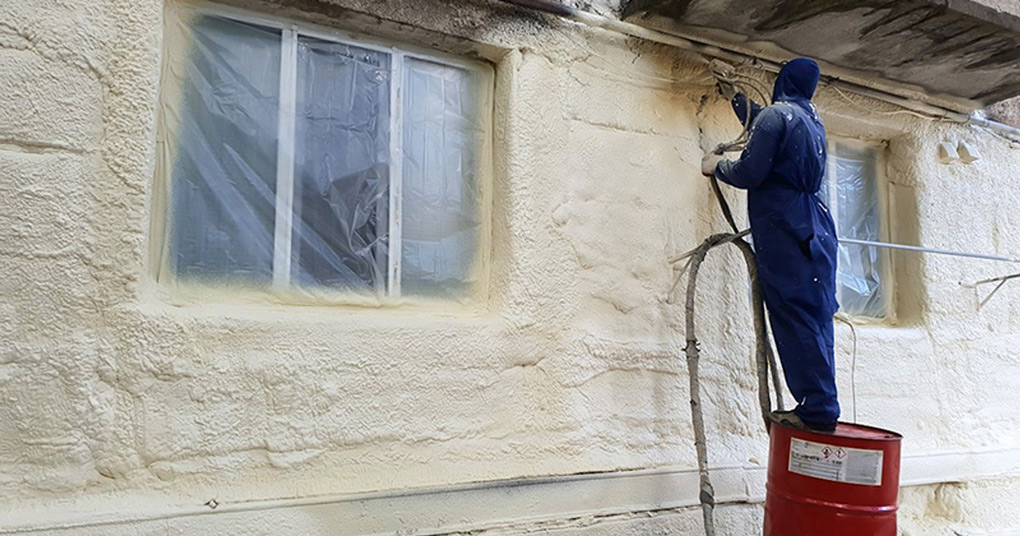
PUF can be applied in several forms, such as spray foam, or rigid sandwich panels (foam boards), offering flexibility to meet different construction needs. This versatility allows for custom solutions in small freezers, large industrial warehouses, and everything in between.
- Energy and cost savings
By reducing energy consumption in refrigeration systems, polyurethane foam insulation leads to significant operational cost savings over time. Although the initial investment may be slightly higher compared to alternatives like EPS or XPS, the long-term return on investment makes PUF the most economical solution.

Applications of polyurethane foam in cold storage
Polyurethane foam can be used in various parts of cold storage and freezer construction including:
- Walls and ceilings: Rigid PUF panels form the primary insulation barrier, ensuring stable temperatures.
- Floors: High-strength polyurethane insulation prevents heat entry from the ground and supports heavy loads.
- Doors: Insulated doors with polyurethane cores minimize air leakage and maintain system efficiency.
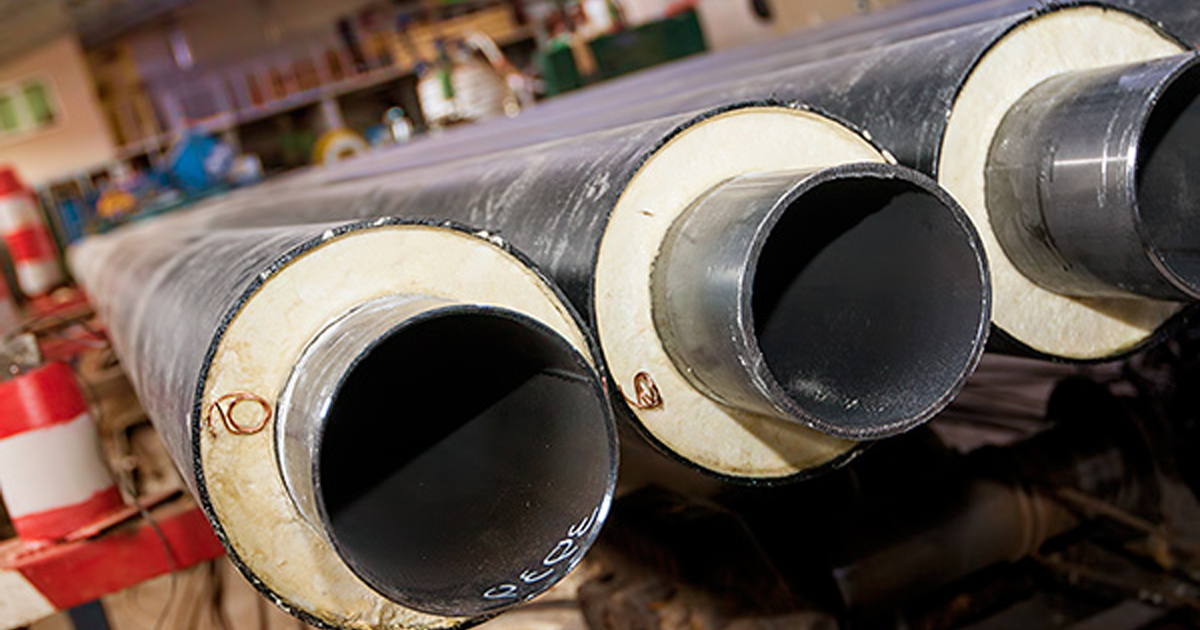
- Pipe insulation: PUF is also applied in refrigeration piping to reduce energy losses and improve cooling efficiency.
Installation considerations for cold storage insulation
While choosing the right material is critical, proper installation plays an equally important role in insulation effectiveness. Gaps, poorly sealed joints, or incorrect panel installation can lead to thermal bridging, air leakage, and reduced performance.
Professional installation ensures that panels are tightly joined, vapor barriers are correctly applied, and thermal bridges are eliminated. Special care must be taken during floor insulation, as inadequate sealing in this area can result in condensation and ice formation that reduce both structural safety and hygiene. Similarly, door frames and joints require precision sealing to prevent air leakage, which is one of the most common causes of energy loss in cold storage systems.
It is also essential to ensure that insulation materials are installed in compliance with engineering designs and local standards. Using specialized tools and techniques, such as mechanical fastening systems and protective coatings, enhances both the stability and longevity of the insulation.
Beyond installation, regular maintenance, inspections, and repairs are necessary to ensure insulation longevity. As you know, routine checks can identify early signs of damage, such as cracks, moisture ingress, or panel displacement. Regular maintenance keeps the insulation working well and helps the cold storage facility last longer.
Sustainability and environmental considerations
Modern polyurethane foams are increasingly engineered with environmentally friendly blowing agents that minimize greenhouse gas emissions during both production and application. This innovation makes polyurethane insulation a more sustainable choice compared to older formulations, aligning with global regulations and industry efforts to reduce environmental impact. In addition to their improved chemical composition, polyurethane foams contribute to energy conservation by maintaining optimal temperatures inside cold storage facilities, which directly lowers electricity consumption and associated emissions.
Another important environmental advantage of polyurethane insulation is its longevity. Because of its durability and resistance to moisture, polyurethane foam requires fewer replacements over time, reducing both material waste and resource consumption. The long service life also minimizes the need for frequent repairs, further conserving energy and raw materials that would otherwise be required for maintenance and reconstruction. That means polyurethane foam is an effective insulation solution that supports long-term sustainability goals.
Buying polyurethane from Iran for cold storage insulation
Iran has established itself as a key producer of high-quality polyurethane (PU) raw materials, offering cost-effective solutions for international markets. Companies seeking reliable and durable insulation for cold storage facilities, freezers, and refrigerated warehouses can gain significant advantages by sourcing polyurethane from Iranian manufacturers. Imen Polymer Chemie, as a leading Iranian PU system house, provides several key benefits for international buyers; including:
- Competitive pricing: Due to the local availability of raw materials and efficient production processes, Iranian polyurethane is priced competitively compared to global alternatives, delivering excellent value without lowering quality.
- High-quality standards: Imen Polymer Chemie offers polyurethane systems specifically engineered for cold storage applications, ensuring optimal thermal performance, durability, and long-term reliability.
- Export capabilities: Iran’s strategic location and well-developed logistics infrastructure enable fast and efficient exports to neighboring countries, the Middle East, and beyond.
- Technical expertise: Furthermore, Imen Polymer Chemie provides technical support and consultation, helping customers design and install insulation systems that maximize performance and efficiency.
In other words, by choosing Imen Polymer Chemie, you gain top-quality polyurethane solutions, expert guidance, and the reliability of a trusted Iranian manufacturer.
Conclusion
Thermal insulation is the backbone of every successful cold storage and freezer system. Among all available materials, polyurethane foam stands out as the most effective and sustainable choice due to its superior thermal efficiency, moisture resistance, and durability. With proper installation and maintenance, PUF ensures stable temperatures, reduces operational costs, and extends the life of refrigeration equipment.
For businesses aiming to optimize their cold storage systems, sourcing polyurethane materials from reputable manufacturers in Iran, such as Imen Polymer Chemie, offers a strategic advantage. Combining affordability, quality, and technical expertise, Iranian polyurethane has become a trusted solution for industries worldwide.