

Table of contents
The quality of thermal barrier directly affects energy consumption, cooling efficiency, and operating costs. A well-insulated refrigerated truck keeps cold air inside the cargo area while reducing the workload of the refrigeration unit. In this article, we will discuss the best insulation for refrigerated vehicles, compare common insulation materials, and explain why polyurethane insulation is considered the leading solution in modern cold chain transportation. At the end, we will introduce a valid manufacturer for buying the best quality polyurethane material for this purpose.
What is insulation for refrigerated vehicles and why is it important?
Thermal protection in refrigerated vehicles is a thermal barrier installed inside the walls, roof, floor, and doors of the truck body. Its main purpose is to reduce heat transfer between the external environment and the refrigerated cargo area. Without proper thermal protection, cold air quickly escapes while outside heat enters the vehicle, making it difficult to maintain the required temperature.
High-quality thermal material improves temperature stability and reduces pressure on the refrigeration system. This helps lower fuel consumption, decrease maintenance costs, and improve the overall efficiency of refrigerated transport. Proper insulation is also essential for meeting food safety and pharmaceutical transportation standards, where thorough temperature control is required throughout the delivery process.
What features should the best insulation for refrigerated vehicles have?
The best thermal solution for refrigerated vehicles should provide strong thermal resistance while being lightweight and durable. Low thermal conductivity is one of the most important characteristics because it helps prevent heat transfer and keeps the internal temperature stable for longer periods. This directly improves energy efficiency and reduces operating costs.
Moisture resistance is another key feature. Refrigerated environments naturally create condensation, and insulation materials that absorb water lose their thermal performance over time. High-quality thermal materials should also resist vibration, pressure, and physical impacts caused by daily transportation operations. Long lifespan, structural strength, and easy maintenance are other factors that improve the performance of refrigerated truck insulation.

Types of insulation used in refrigerated vehicles
Several insulation materials are used in refrigerated vehicle construction, including polystyrene, fiberglass, and polyurethane foam.
Expanded polystyrene (EPS) is affordable and lightweight, but it provides lower thermal efficiency and absorbs moisture more easily than modern alternatives. Extruded polystyrene (XPS) offers better moisture resistance and higher durability, especially for refrigerated truck floors.
Fiberglass insulation is less common in modern refrigerated transportation because it loses efficiency when exposed to moisture and requires thicker layers for proper insulation.
Among all available options, polyurethane foam insulation is considered the most effective due to its excellent thermal resistance, durability, and long-term performance.
Why is polyurethane the best insulation for refrigerated vehicles?
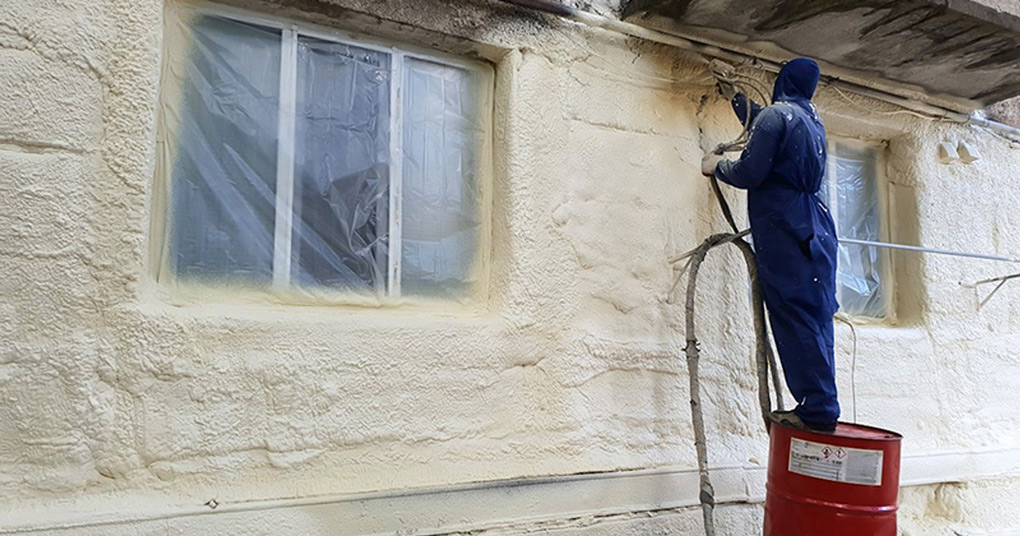
Polyurethane insulation is widely used in refrigerated trucks because it has one of the lowest thermal conductivity values among all available options. This allows refrigerated vehicles to maintain stable temperatures while using less energy. Polyurethane foam also creates a seamless thermal barrier that reduces heat leakage and improves cooling efficiency.
Another important advantage of this rigid foam is its closed-cell structure, which provides excellent resistance to moisture and water absorption. This helps keep insulation performance for many years without significant degradation. Rigid polyurethane also strengthens refrigerated body panels, increases structural durability, and reduces long-term maintenance costs, making it the preferred choice for modern cold chain transportation systems.

Standard insulation thickness in refrigerated truck bodies
The thickness of insulation is one of the key factors in the performance of refrigerated vehicles. Choosing the appropriate thickness allows the refrigeration system to maintain a stable internal temperature with minimal energy consumption. In the cold-chain transport industry, the standard insulation thickness varies depending on the type of vehicle and the required temperature, but it is usually between 2.75 and 4 inches for polyurethane foam.
An important point is that excessive thickness increases the vehicle’s weight and fuel consumption, while insufficient thickness reduces the effectiveness of the thermal barrier. Therefore, selecting a standard thickness that is suited to the application is essential for efficiency and the stable performance of refrigerated vehicles. It is also worth noting that the lower the insulating performance of a material, the greater the thickness required to achieve the desired level of thermal protection. For this reason, polyurethane insulation foam, due to its very low thermal conductivity, delivers the best performance at the minimum thickness.
What is the lifespan of refrigerated vehicle insulation?
The lifespan of refrigerated vehicle thermal system depends on the quality of the material, manufacturing standards, and maintenance conditions. High-quality polyurethane foam can keep strong thermal performance for 15 to 20 years when properly installed and maintained. Durable thermal barrier helps reduce operational costs and improves the reliability of refrigerated transportation.
Moisture infiltration, physical damage, and poor maintenance are some of the main factors that reduce insulation lifespan. Damaged door seals, cracks in body panels, and improper repairs can allow water to enter the foam structure, reducing efficiency over time. Checking and fixing things regularly keeps the insulation working well and the fridge cold.
Energy efficiency and cost savings in refrigerated transportation
Energy efficiency is one of the biggest priorities in refrigerated transportation because refrigeration systems use a significant amount of fuel and power. Weak thermal protection increases heat transfer, forcing cooling units to work harder and consume more energy. This leads to higher costs and faster equipment wear.
High-quality insulation reduces energy loss and improves refrigeration efficiency. Polyurethane foam, in particular, helps maintain internal temperatures with lower energy consumption, reducing fuel costs over the lifespan of the vehicle. Better insulation also supports environmental sustainability by lowering carbon emissions and improving overall cold chain efficiency.
Buying refrigerator insulation from Imen Polymer Chemie
Selecting a reliable insulation supplier is essential for achieving long-term refrigerated vehicle performance. High-quality thermal materials must meet strict standards for thermal efficiency, durability, and moisture resistance. Using advanced polyurethane systems can significantly improve refrigeration stability and reduce operating expenses.
Imen Polymer Chemie provides specialized polyurethane solutions designed for industrial insulation and refrigerated transportation applications. The company focuses on producing advanced polyurethane systems that help manufacturers improve thermal performance, increase energy efficiency, and extend the lifespan of refrigerated truck bodies.
Conclusion
Choosing the best insulation for refrigerated vehicles is essential for maintaining product quality, improving energy efficiency, and reducing transportation costs. Effective thermal protection helps preserve stable temperatures, protects sensitive cargo, and reduces pressure on refrigeration systems during long-distance transport.
Among all available insulation materials, polyurethane is the best solution for refrigerated trucks and trailers. Its excellent thermal performance, moisture resistance, structural strength, and long service life make it the popular choice for modern cold chain transportation and refrigerated vehicle manufacturing.


