

Table of contents
Choosing the right insulation is therefore one of the most important decisions in the design of an industrial refrigeration system. The insulation material directly affects energy consumption, temperature stability, operating costs, and the long-term performance of the refrigerator. As a result, this article explores the characteristics of different insulation materials and helps businesses select a solution that balances thermal efficiency, durability, and cost-effectiveness.
Why insulation matters in industrial refrigerators?
The primary function of insulation is to reduce heat transfer between the cold interior of the refrigerator and the warmer external environment. When insulation performance is poor, the refrigeration system must work harder to remove incoming heat. This increases electricity consumption and places additional stress on compressors and other refrigeration components.
Effective insulation also helps to stable temperature control. Many products stored in industrial refrigerators, including food products, pharmaceuticals, and temperature-sensitive chemicals, require consistent storage conditions. High-quality insulation prevents temperature fluctuations, improves product protection, and supports more reliable refrigeration performance over time.

Types of industrial refrigerator insulation
Several insulation materials are used in industrial refrigeration systems. Each material offers different levels of thermal performance, moisture resistance, mechanical strength, and installation flexibility. The suitability of a specific insulation depends on the operating temperature, environmental conditions, and performance requirements of the refrigeration system. The available options are discussed below.
1. Polyurethane foam (PU)
Rigid polyurethane foam is one of the most widely used insulation materials in industrial refrigerators and cold rooms. Its popularity is largely due to its exceptionally low thermal conductivity, which allows it to provide excellent insulation performance while using relatively thin insulation layers. This helps maximize the available storage space inside refrigeration units without decreasing thermal efficiency.
Another important advantage of this polyurethane insulation is its closed-cell structure. The closed cells limit moisture absorption and help the insulation keep its performance over long periods of operation. In harsh refrigeration environments where condensation and humidity can be major concerns, this characteristic contributes significantly to long-term reliability and energy efficiency.
The foam also provides good dimensional stability and mechanical strength. For this reason, it is commonly used in insulated sandwich panels, refrigerated transport equipment, industrial freezers, and large cold storage facilities. Its combination of thermal efficiency, durability, and moisture resistance makes it one of the most effective insulation materials available for industrial refrigeration systems.
2. Extruded polystyrene (XPS)
Extruded polystyrene insulation, commonly known as XPS, is produced through a continuous extrusion process that creates a uniform closed-cell structure. This structure provides good moisture resistance and relatively high compressive strength, making XPS suitable for applications where insulation materials are exposed to mechanical loads.
Although XPS offers good insulation characteristics, its thermal conductivity is generally higher than that of polyurethane foam. As a result, thicker insulation layers are often required to achieve comparable thermal resistance. For applications where energy efficiency is critical, this difference can affect the choice of insulation material.
3. Expanded polystyrene (EPS)
Expanded polystyrene, or EPS, is a lightweight insulation material manufactured from expanded polystyrene beads. It is widely used in construction and refrigeration applications due to its affordability and ease of installation. EPS can provide acceptable thermal insulation performance while helping reduce initial project costs.
Because EPS is relatively lightweight, transportation and handling are often simpler compared with some alternative insulation materials. This can help reduce installation time and simplify construction activities, particularly in large-scale refrigeration projects.
However, EPS generally offers lower insulation performance than polyurethane foam, meaning thicker sections are often needed to achieve the same thermal resistance. In addition, its long-term performance can be affected by moisture if the insulation system is not properly designed and protected.

Important criteria for selecting industrial refrigerator insulation
Selecting the right insulation material for an industrial refrigerator requires considering several key performance factors, including:
1. Thermal conductivity
Thermal conductivity is one of the most important factors when evaluating insulation materials for industrial refrigeration systems. It indicates how easily heat can pass through a material. The lower the thermal conductivity value, the better the insulation performance. Since industrial refrigerators operate continuously, even small differences in thermal conductivity can have a significant impact on energy consumption over the lifetime of the equipment.
Materials with better insulation properties reduce heat transfer and help the compressor run less often. This lowers energy consumption and helps maintain a more stable temperature. As a result, thermal conductivity is one of the first factors engineers consider when choosing insulation materials for industrial refrigerators, cold rooms, and freezers.
2. Density
Density plays an important role in determining both the thermal and mechanical properties of insulation materials. While higher density does not always guarantee better insulation performance, it often influences strength, dimensional stability, and long-term durability. The ideal density depends on the application and operating conditions.
In industrial refrigeration applications, insulation materials must maintain their shape and performance over long periods and under changing temperatures. Materials with the right density are generally more resistant to deformation and mechanical stress. For this reason, density should be considered together with thermal conductivity and the overall design requirements.
3. Resistance to moisture and water vapor
Moisture is one of the main challenges in refrigeration systems. When it is warm, humid air comes into contact with cold surfaces, condensation can form. If moisture enters the insulation layer, its thermal performance can gradually decrease and the system may become less energy efficient.
For this reason, insulation materials with low water absorption and good moisture resistance are preferred in industrial refrigeration applications. Proper moisture protection helps keep insulation performance, prevents damage to the structure, and reduces the risk of corrosion and long-term maintenance issues. This is especially important in cold rooms and refrigerated storage facilities operating in humid environments.
4. Compressive strength
Industrial refrigerator walls must have sufficient resistance to mechanical stress, transportation impacts, and loading conditions. The compressive strength of the insulation plays an important role in maintaining the shape and structural integrity of the system.
Rigid polyurethane foams generally offer good compressive strength and, in addition to their insulating function, help improve the overall strength of the refrigerator panels or body. This property is especially important in the production of large commercial and industrial refrigeration units.
5. Insulation thickness
Insulation thickness directly affects the thermal performance of an industrial refrigerator. In general, thicker insulation layers provide greater resistance to heat transfer and help reduce refrigeration loads. However, increasing thickness also influences construction costs, available storage space, and overall system design.
The optimal thickness depends on factors such as operating temperature, ambient conditions, insulation material type, and energy efficiency targets. Extremely cold applications may require substantially thicker insulation than standard refrigeration systems. Proper engineering calculations are essential to achieve the best balance between insulating performance, investment cost, and usable interior space.
Advantages of using polyurethane insulation for industrial refrigerators
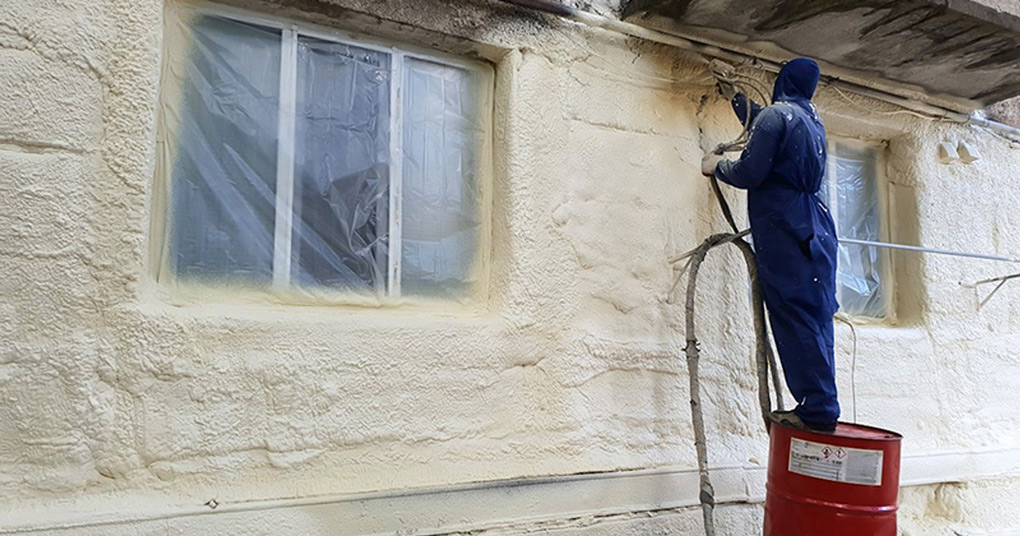
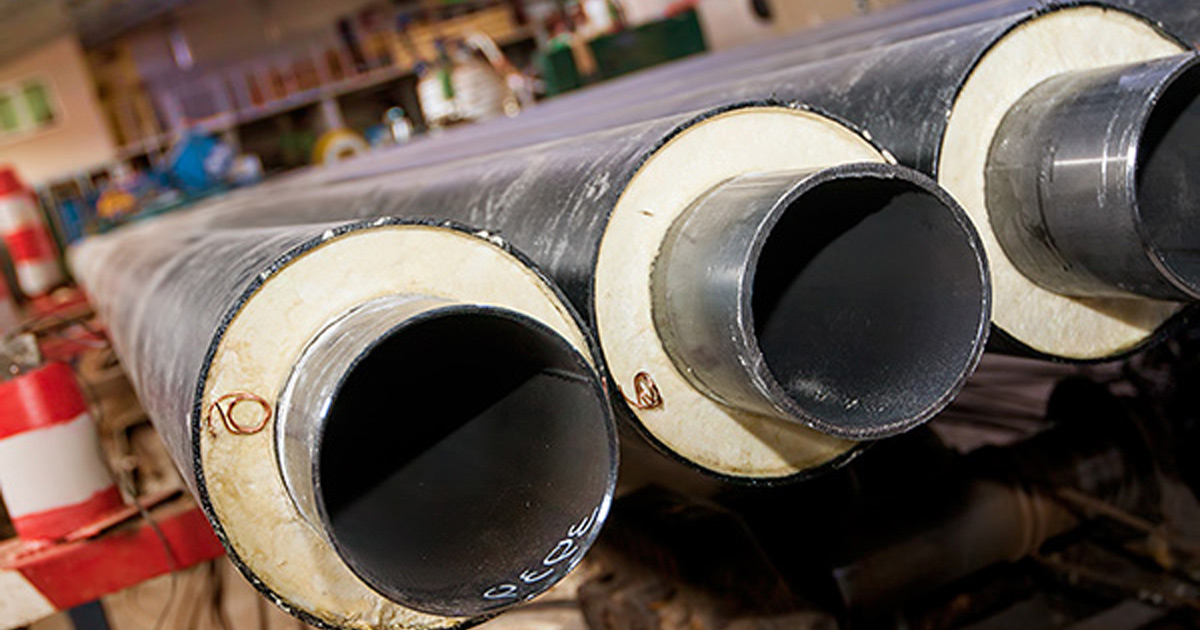
Polyurethane insulation has become so popular for many industrial refrigeration applications because it has several important performance advantages in a single material. One of its most significant benefits is its low thermal conductivity, which allows excellent insulation performance even with relatively thin panels. This helps provide more storage space while reducing energy consumption.
Another major advantage is its closed-cell structure, which limits water absorption and helps keep thermal performance over long periods of time. Unlike some insulation materials, rigid polyurethane insulation keeps its insulating performance for many years in refrigeration applications. It can continue to work well even in humid conditions or when exposed to some moisture.
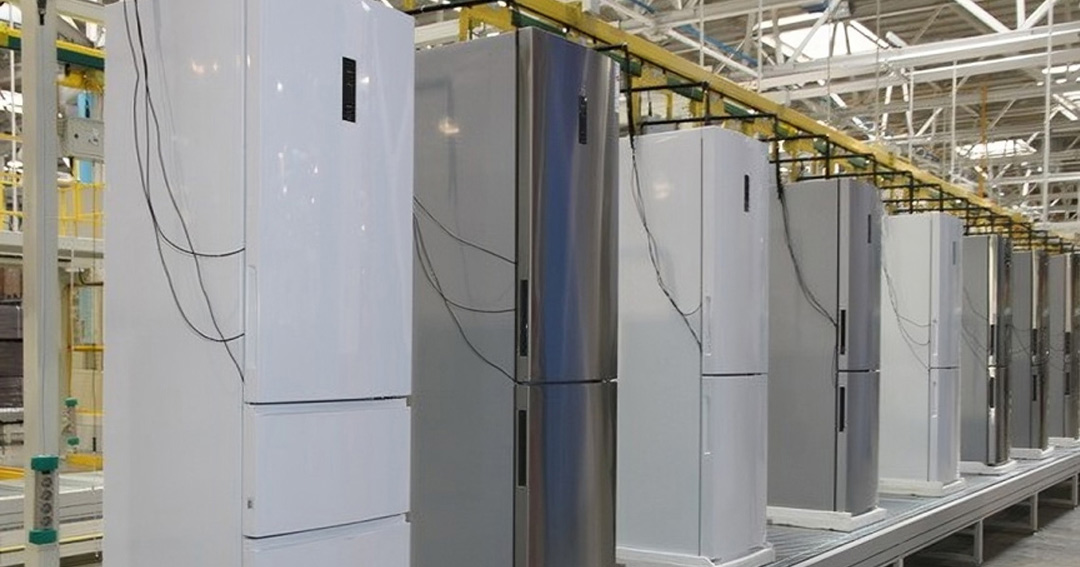
This insulation also provides good dimensional stability and mechanical strength. These characteristics make it suitable for insulated panels, cold rooms, refrigerated vehicles, and industrial freezer systems. Its energy efficiency, durability, and moisture resistance are the main reasons why polyurethane is widely used in industrial refrigeration systems around the world.
Important technical tips for implementing polyurethane foam in industrial refrigerators
Achieving optimal performance requires more than simply selecting a high-quality polyurethane system. Proper installation practices are also important. Insulation panels should be installed carefully to reduce thermal bridges and remove gaps that may allow heat penetration. Even small installation defects can negatively affect overall refrigeration efficiency.
Vapor barriers must also be properly designed and installed. Proper sealing of joints, doors, corners, and panel connections helps maintain long-term insulation performance.
Another important factor is choosing a PU system that matches the application requirements. Factors such as operating temperature, required density, panel design, and manufacturing conditions should all be considered when selecting raw materials. Working with experienced polyurethane suppliers can also help manufacturers ensure consistent quality and reliable long-term performance.
Purchasing polyurethane for industrial refrigerator insulation from Imen Polymer Chemie
The performance of industrial refrigerator insulation depends on several factors, including design, installation, and the quality of the polyurethane raw materials. High-quality polyurethane systems help improve thermal insulation, dimensional stability, and long-term durability. For manufacturers of insulated panels and refrigeration equipment, choosing a reliable raw material supplier is an important step in achieving consistent product quality.
Imen Polymer Chemie supplies PU raw materials for a wide range of industrial applications, including insulation systems used in cold rooms, refrigerated panels, industrial refrigerators, and cold storage facilities. By focusing on product quality, technical support, and application-specific solutions, the company helps manufacturers develop polyurethane insulation systems that meet performance requirements while supporting efficient production.
Conclusion
Selecting the right insulation for an industrial refrigerator directly affects energy consumption and operating costs, temperature stability, and the service life of the equipment. Several insulation materials are available, including polyurethane foam, XPS, and EPS, each offering different advantages depending on project requirements. Careful evaluation of thermal conductivity, density, moisture resistance, compressive strength, and insulation thickness is essential for making an informed decision.
Among the available options, PU insulation is one of the most effective solutions for industrial refrigeration applications. Its excellent thermal performance, moisture resistance, structural stability, and long service life makes it a preferred choice for many cold storage and refrigeration systems.


